 Bird Matching
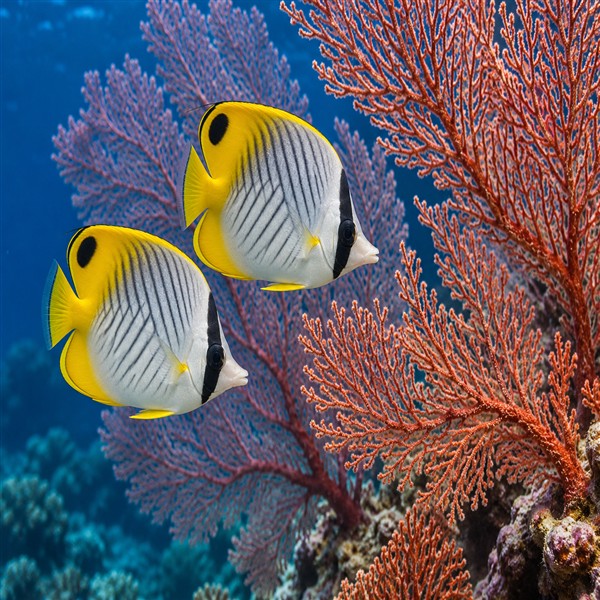 Reef Matching
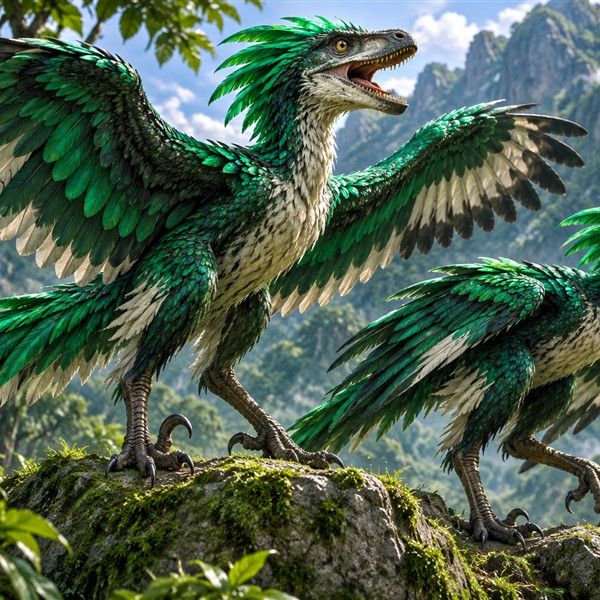 Dinosaur Matching
A guide to matching activities
Make a map in words
A card’s identity is only half the clue. The other half is where it lives on the board. Use language a child can repeat, such as the bird below the corner or the ball beside the top edge. The best labels are short enough to remember while a new pair is showing. Four pairs leave room to learn the method.
Turn over two cards and read both labels. When the pair stays face up, leave it out of your next search. When the cards turn back, hold onto just one location and its name. On your next turn, first reveal an unfamiliar card. If you know its partner, use the second reveal to make the match.
Three activities to try
Bird Matching — Keep an eye on the flock and reunite six pairs of birds. After a match, name one difference between that bird and a bird still hidden.
Planet Matching — Match pairs of planets, moons, and deep-space discoveries. After clearing the board, list the cards that were planets and the cards that were other things in space.
Egyptian Matching — Discover matching pairs of objects from life along the Nile. Pick a matched object and explain one way someone might have used it.
Try a shared memory
Split the board into two areas. Each player remembers the cards revealed in one area, but both work toward the same cleared board. A pair that crosses the boundary is a reason to exchange clues. When four pairs feel familiar, try six.