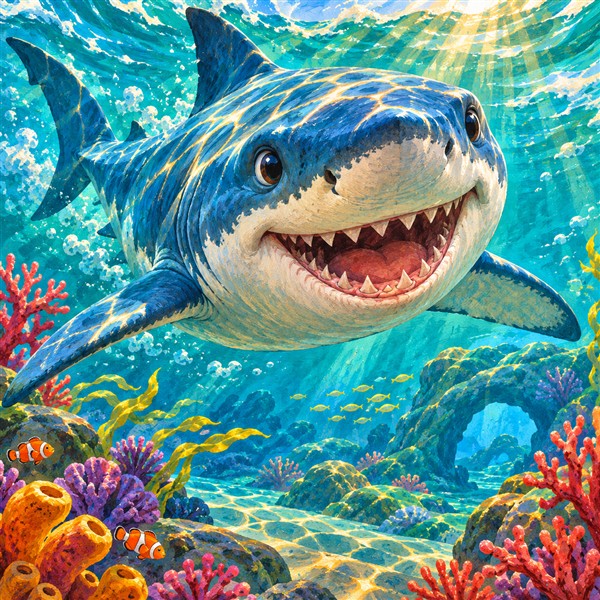
 Shark Trivia
 Space Explorer Quiz
Animal Trivia guide
Look for the clue that settles the question
A bat and a flying squirrel can both travel through the air. Watch how they get there. One flaps wings to power its flight and the other glides from a high starting point. A good animal clue describes something specific enough to rule out a convincing wrong answer.
Reason through a close call
Read the question once without looking at the choices. What kind of answer does it need: a name, a number, a body part, or an explanation? Then look at the options and see which one answers that exact question. After you choose, read the short explanation even if your guess was right. It gives you a detail you can use when the same idea comes back in a different form.
Starter offers two options. Explorer gives you three. On Challenge you can say your answer aloud before uncovering the choices. A three-question replay works well for a quick check, while five questions give two players more turns to trade.
Try a three-question practice round
Choose an answer before opening each explanation. If two answers seem possible, say what extra clue would settle the question. These examples come from the game’s question bank. A live round deals its own set, so you may meet the idea again in a different order.
Which animal has feathers?
Owl. Even flightless birds have feathers.
Which mammal can fly using powered wingbeats?
Bat. Bats flap wings made of skin stretched over long fingers.
Which big cat wears a mane in many adult males?
Lion. The mane grows around a male lion’s head and neck.
After checking, pick the explanation you found most surprising. Give a friend the answer first and ask them to invent a question that would fit it. Compare their question with the original. A small change in wording can change which answer is correct.
Study an animal through what it does
Choose a familiar animal and think through one ordinary day. Where does it get food? How does it move? What covers or protects its body? These questions work for a quiz and also give a drawing a purpose. When two animals seem alike, look for the smallest detail that lets you tell their stories apart.
Try it together
Give a friend three animal clues, one at a time. Start with where the animal lives and save its most distinctive feature for last.
Stay with animals in Animal Coloring, or try the same activity in a new setting with Shark Trivia.
Trusted sources and further learning
Wonderplay uses age-appropriate summaries and checks topic facts against authoritative science, museum, and education resources.