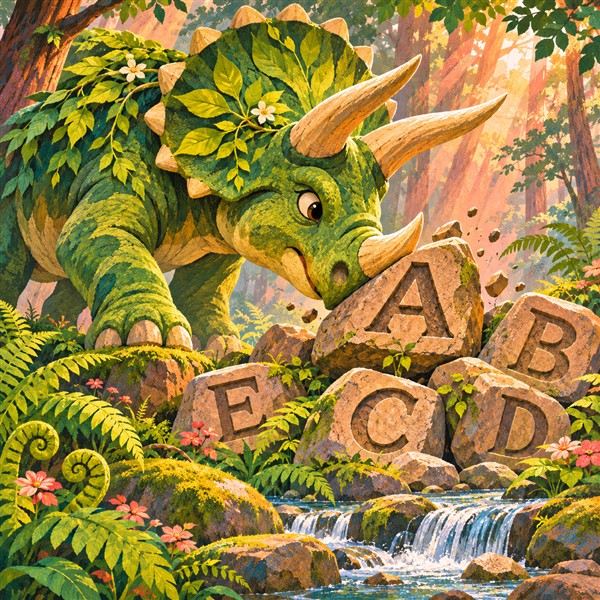
 Dinosaur Word Search
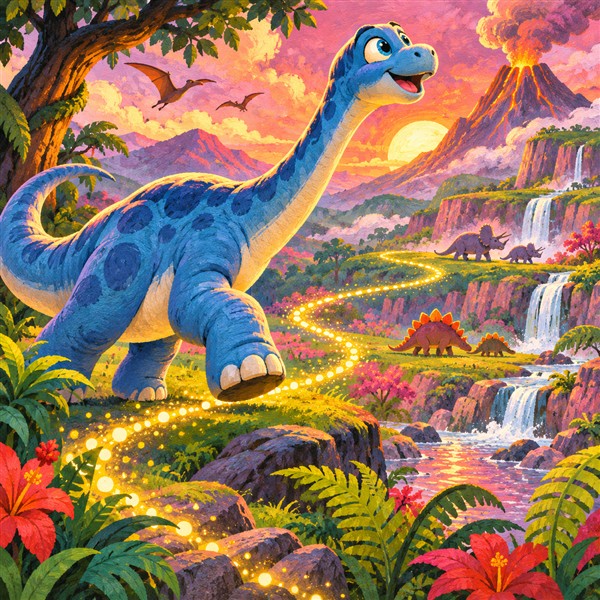 Dinosaur Dot to Dot
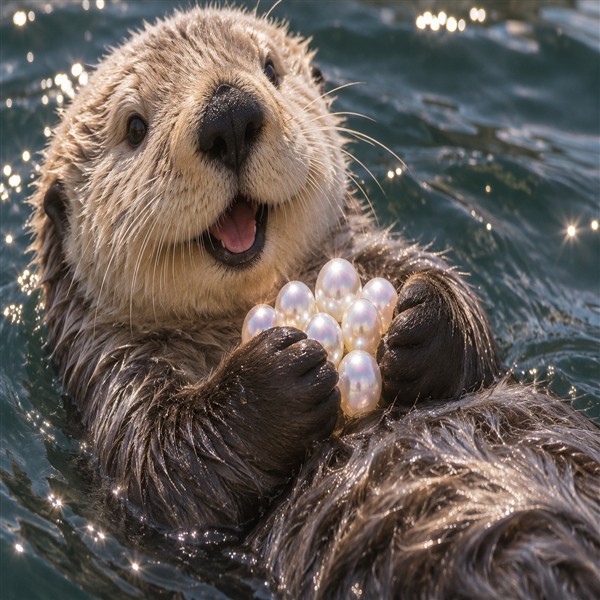 Pearl Diver Math
Dinosaur Egg Math guide
Read the nest before counting the eggs
Imagine two nests with five eggs in each. Ten eggs altogether is different from two eggs plus five eggs. Look for the word groups before choosing an operation. For a subtraction story, draw the starting nest first and cross out only the eggs that leave.
Choose the operation from the story
Read the last few words of the problem first. They tell you what you are counting. Read the full story and decide whether objects arrive, leave, or occur in equal groups. Try drawing marks or moving counters before looking at the answers. After choosing, match the game’s number sentence to the steps you took.
Starter builds addition stories with smaller numbers. Explorer mixes operations, and Challenge can use larger numbers. If a round feels too big, choose a smaller level for the next attempt. After a completed round you can play three more questions or start another five.
One collection, three number stories
Gather counters to stand for eggs. Start each story with a fresh arrangement. Before answering, point to the starting quantity and show what changes. If you can explain the change with your hands, you have a way to check your calculation.
- You have 3 eggs and collect three more. Slide three counters into your group. How many are together now?
- A collection starts with 6 eggs. Three are taken away. Which earlier collection does the result remind you of?
- Make three equal groups of 3 eggs. How does the drawing change when the three tells you the number of groups?
Check the three results
The totals are 6, 3, and 9. The second move reverses the first. The last story counts three complete groups, so adding three objects once would give a different total.
Change one number and give the stories to a partner. Ask them to predict which result will get larger before moving any counters.
Think like a fossil finder
Hold up an imaginary tooth and ask which details would stay visible after millions of years. A fossil can preserve shape, texture, or the trace of an action. A footprint and a bone tell different stories. Try moving between a name-based activity and a picture-based one, looking for a detail you can carry from the first into the second.
Try it together
Build a second nest story with the same answer using different numbers.
Stay with dinosaurs in Dinosaur Word Search, or try the same activity in a new setting with Pearl Diver Math.
Trusted sources and further learning
Wonderplay uses age-appropriate summaries and checks topic facts against authoritative science, museum, and education resources.