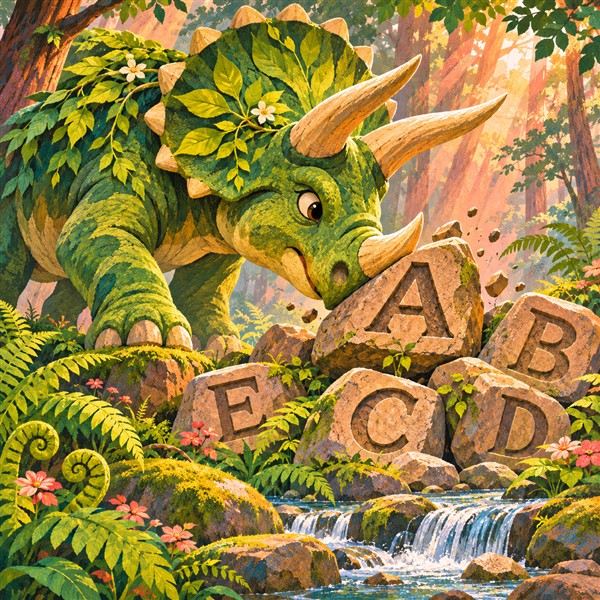
 Dinosaur Word Search
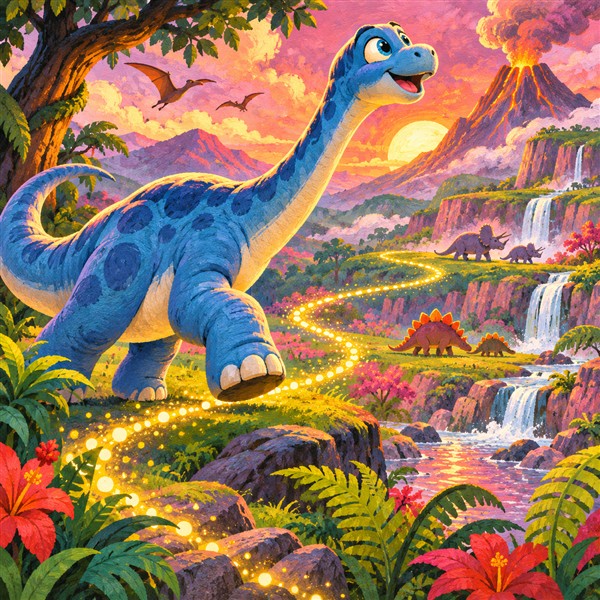 Dinosaur Dot to Dot
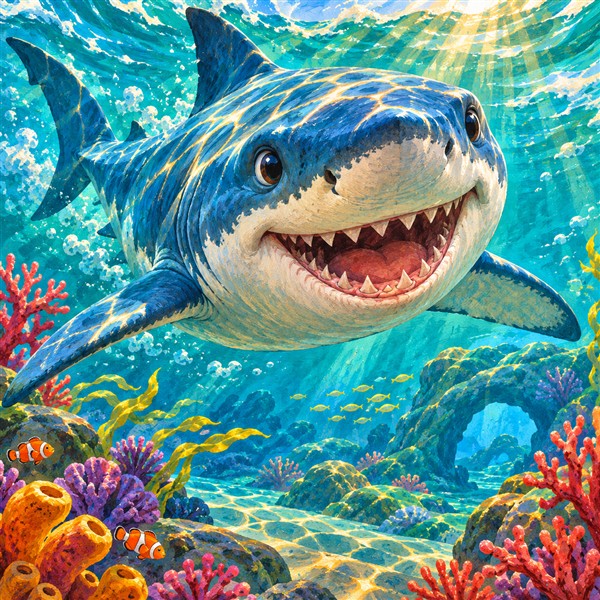 Shark Trivia
 Space Explorer Quiz
Dinosaur Trivia guide
What could one footprint tell you?
Imagine finding three large footprints in a line. You could measure the distance between them and describe the direction of travel. Finding the exact color of the animal would take different evidence. When a fossil question seems tricky, ask which parts of the answer a scientist could actually observe.
Reason through a close call
Read the question once without looking at the choices. What kind of answer does it need: a name, a number, a body part, or an explanation? Then look at the options and see which one answers that exact question. After you choose, read the short explanation even if your guess was right. It gives you a detail you can use when the same idea comes back in a different form.
Starter offers two options. Explorer gives you three. On Challenge you can say your answer aloud before uncovering the choices. A three-question replay works well for a quick check, while five questions give two players more turns to trade.
Try a three-question practice round
Choose an answer before opening each explanation. If two answers seem possible, say what extra clue would settle the question. These examples come from the game’s question bank. A live round deals its own set, so you may meet the idea again in a different order.
What is a preserved footprint from long ago called?
A trace fossil. A trace fossil records an activity such as walking.
Which creature was a flying reptile that lived alongside dinosaurs?
Pteranodon. Pteranodon was a pterosaur, a separate group of reptiles.
Which of these animals lived long after T. rex?
Woolly mammoth. Mammoths lived millions of years after non-bird dinosaurs disappeared.
After checking, pick the explanation you found most surprising. Give a friend the answer first and ask them to invent a question that would fit it. Compare their question with the original. A small change in wording can change which answer is correct.
Think like a fossil finder
Hold up an imaginary tooth and ask which details would stay visible after millions of years. A fossil can preserve shape, texture, or the trace of an action. A footprint and a bone tell different stories. Try moving between a name-based activity and a picture-based one, looking for a detail you can carry from the first into the second.
Try it together
Press two toy feet into soft dough. Swap the tracks with another player and see which details survive after the toys are gone.
Stay with dinosaurs in Dinosaur Word Search, or try the same activity in a new setting with Shark Trivia.
Trusted sources and further learning
Wonderplay uses age-appropriate summaries and checks topic facts against authoritative science, museum, and education resources.