 Space Explorer Quiz
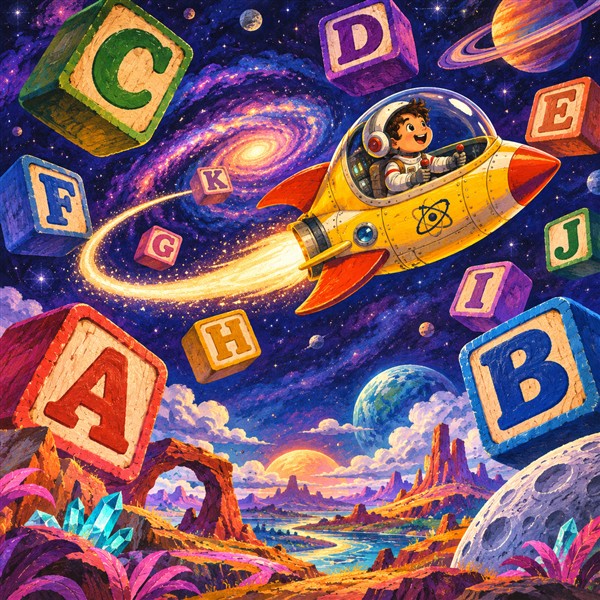 Space Word Search
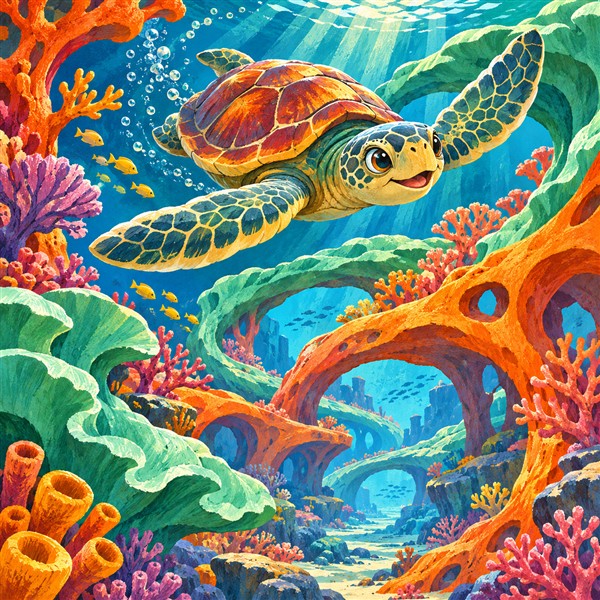 Ocean Maze
 Basketball Maze
Moon Maze guide
Plan a landing route from both ends
Before steering, point to the moon and study its approach. A wall is easy to mistake for a shortcut when two paths run side by side. Trace the open squares with your eyes. The explorer can change rows only where those squares actually meet.
Make the next turn a decision
Look at the first junction and identify each open exit. Follow one branch until it reaches the goal, another junction, or a dead end. In a dead end, walk back to the last junction instead of trying to cross the wall next to you. The goal is reachable even when its entrance points away from the starting square.
Choose Little for a shorter route or move up to Explorer or Expert for a larger board. The shortest-route count gives you something to compare after arriving. If two people want to solve the same layout, print the maze before selecting New maze.
Practise a fork before the full maze
Draw a T-shaped passage on a piece of paper. Put the start at the bottom of the T and the destination at the right tip. Extend the left tip by one square and put a star there. This tiny model illustrates the two different goals you can choose on a space board.
First trace the shortest route. At the junction, turn right and follow the passage to the destination. Now start over and collect the star before finishing. You must turn left first, come back through the junction, and continue to the right. Passing a square twice can be a sensible move when you have chosen an extra goal.
On a new game board, locate the optional star and the destination before setting off. Decide which route you are attempting. The shortest-route number refers to reaching the destination directly. A longer trip that includes the star tells a different story about how you explored the board.
Plan a mission around one question
Choose a question for your crew before opening a game. You could ask how objects move, what they are made of, or what tool you would send to explore them. A comet, a planet, and a rover are all space words, but only one is a vehicle. Sorting terms by their role helps a long list turn into a picture of a mission.
Try it together
Take turns as pilot and navigator. The navigator gives one turn at a time and the pilot checks the landing square.
Stay with space in Space Explorer Quiz, or try the same activity in a new setting with Ocean Maze.
Trusted sources and further learning
Wonderplay uses age-appropriate summaries and checks topic facts against authoritative science, museum, and education resources.