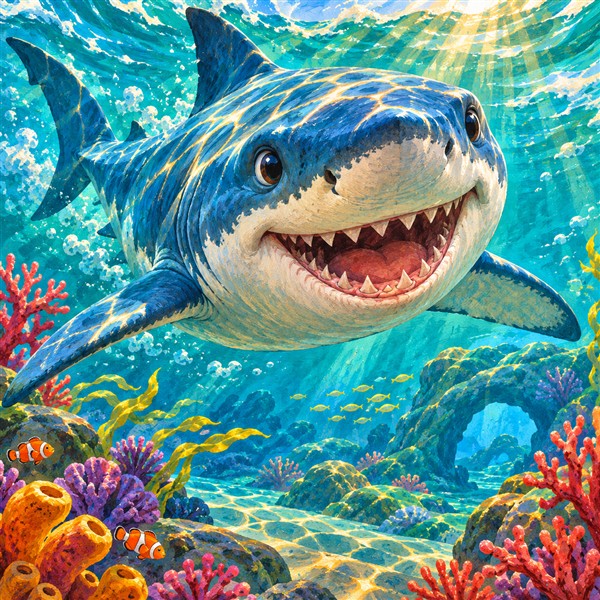
 Shark Trivia
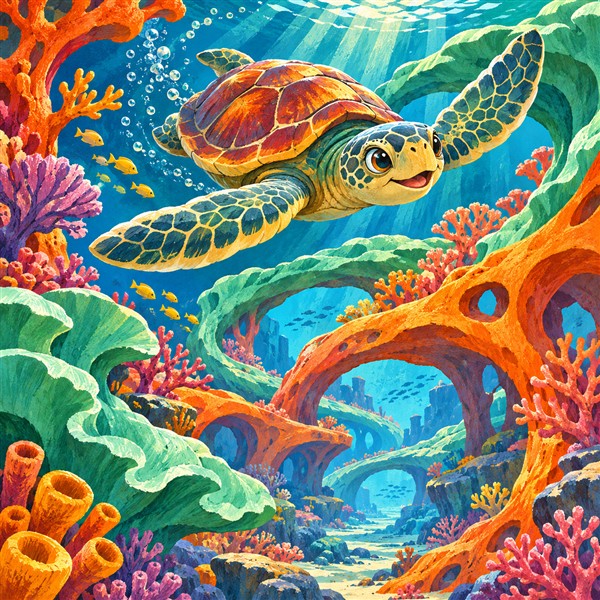 Ocean Maze
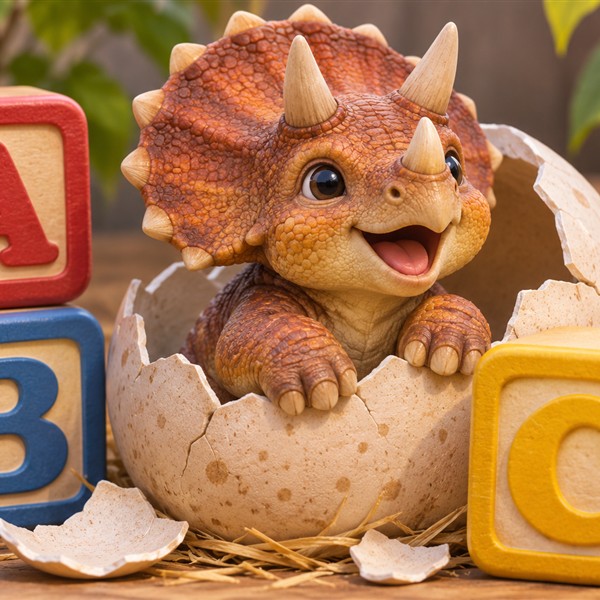 Dinosaur Spelling
Ocean Spelling guide
Hear the parts of an ocean word
Read the clue “a swimmer with eight arms.” Say OCTOPUS slowly and tap out its three syllables. The letters already shown on the board help you check the sounds. Once you know the word, type the whole name, including any letters that were visible from the start.
Use the clue and the letter pattern together
Say a possible answer, count its letters, and check it against the letters on the screen. Type the complete word into the answer box. When a guess is close, compare its beginning and ending with the answer shown. A missing double letter or an extra vowel is a specific thing to watch for on the next turn.
Starter leaves more letters visible. Challenge hides everything after the first letter and draws from longer words. The optional letter clue names the beginning, ending, and length. A partner can read the meaning aloud while the player works out the spelling.
Three ocean words to practise
Cover the middle of each word while leaving its beginning and ending visible. Read the meaning, say the whole word, and write the hidden letters on paper. Lift your hand to check. If you missed a letter, circle just the part that changed. On your next attempt, focus on that part before trying to spell the entire word from memory.
- REEF
- A ridge or structure beneath the water where many animals can live.
- PEARL
- A smooth object formed inside certain mollusks.
- GILLS
- Body parts that take oxygen from water.
Use all three words to set a challenge for your next player. They can describe one without naming it, draw a clue for another, and spell the last one aloud. Switch jobs when all three have been identified. If a drawing is easy to confuse with a different word, add a detail that narrows the choice.
Explore the reef from three distances
Begin close enough to see one animal. Name a feature, such as the shape of its tail. Move outward to its home and think about the other creatures it shares that space with. Finally picture the whole ocean as a place where animals travel, feed, grow, and return to breathe. Those three scales make useful starting points for a question, a drawing, or a word puzzle.
Try it together
Choose a second sea animal and write a clue that describes how it moves.
Stay with ocean in Shark Trivia, or try the same activity in a new setting with Dinosaur Spelling.
Trusted sources and further learning
Wonderplay uses age-appropriate summaries and checks topic facts against authoritative science, museum, and education resources.